
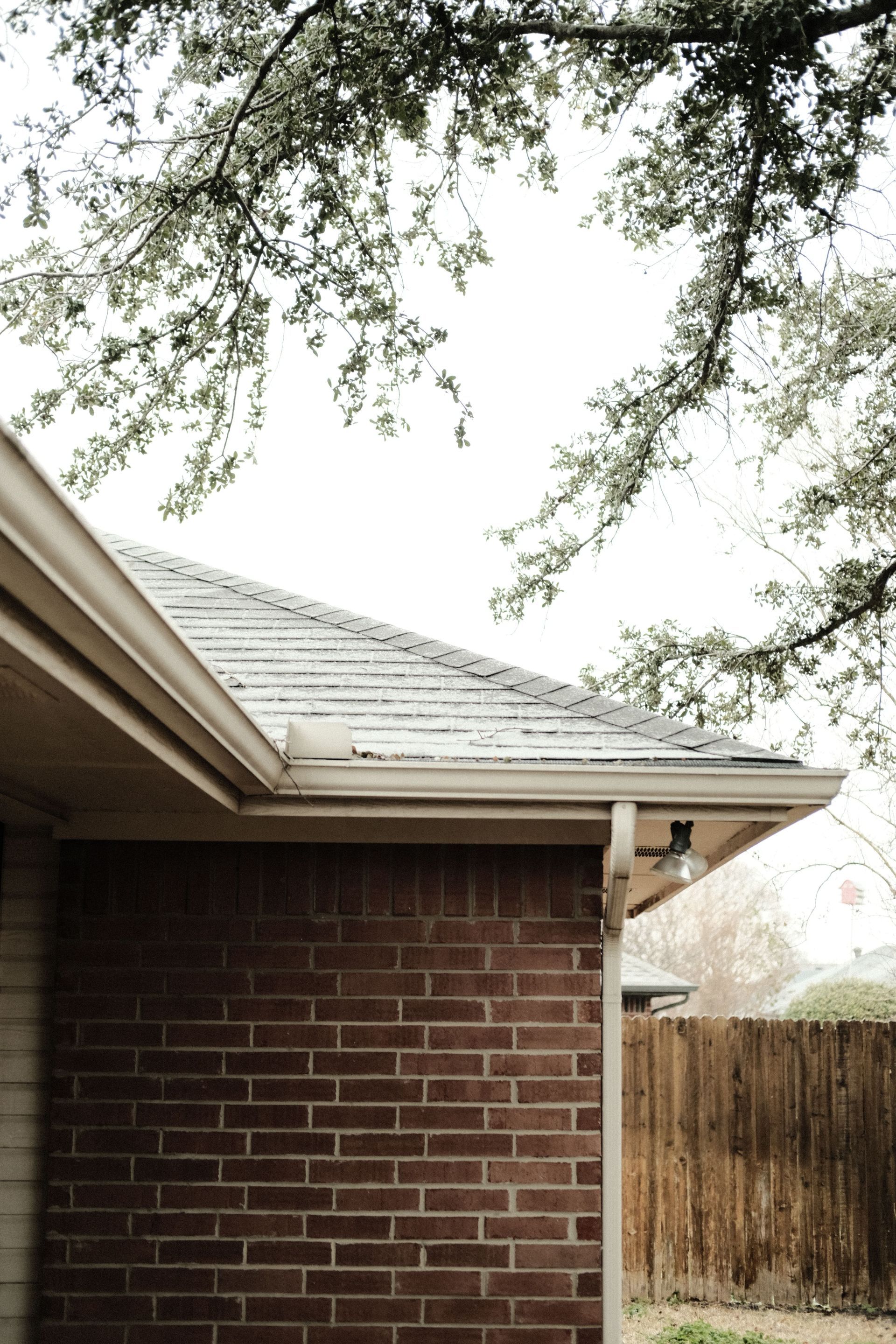
Restoring Water Flow Before Damage Spreads
Gutter Repair in Alabaster for Systems Leaking at Seams and Pulling Away from Fascia
Water that spills over gutter edges or streams from separated seams signals that the drainage system no longer functions as designed. Master Home Xterior repairs gutter systems in Alabaster when leaks develop at joints, sections sag from hanger failure, or storm debris causes punctures that redirect water onto fascia boards and siding. You see the effects when streaks appear on exterior walls below the roofline, soil washes away near downspouts, or water drips directly onto walkways during rain.
Repair work addresses the specific failure point by resealing joints where sections connect, replacing damaged hangers that no longer hold the gutter at the correct pitch, or patching holes that allow water to escape before reaching downspouts. The approach depends on whether wear patterns result from age, impact damage from fallen branches, or inadequate initial installation that left weak points in the system.
Request an inspection to identify the source of gutter failures and determine whether repair restores full function or replacement becomes necessary.
How Gutter Repair Addresses Drainage Failures
The repair process begins with identifying why the system fails, whether seams separated due to thermal expansion cycles, hangers pulled loose from fascia deterioration, or sections bent from ladder contact and debris buildup. Each failure type requires a different fix: seam leaks need cleaning and resealing with materials that remain flexible through temperature changes, sagging sections need repositioned hangers anchored into solid wood, and damaged gutter segments may require partial replacement if the material is compromised beyond surface-level repair.
After repairs finish, water flows consistently toward downspouts without spilling over edges or leaking at connection points, and the gutter line appears level along the roofline rather than dipping in sections where hangers failed. Fascia boards behind the gutter dry out because water no longer runs behind the back edge, and foundation plantings stay intact because runoff exits through downspouts instead of sheeting off the roof edge.
Repair services extend the functional life of existing gutter systems when structural components remain sound but isolated failures compromise performance. The work includes removing debris that contributes to standing water and added weight, adjusting pitch where sections have shifted, and reinforcing attachment points that show early signs of stress before complete detachment occurs.
Common Questions About This Service
Property owners in Alabaster often ask about the difference between repairable damage and conditions that require full gutter replacement.
How do you know if a gutter system can be repaired or needs replacement?
Systems with isolated damage in otherwise sound sections are candidates for repair, while gutters showing rust-through in multiple areas, widespread seam separation, or sagging along entire runs typically need replacement because the material has reached the end of its service life.
What causes gutters to pull away from the fascia board?
Hangers fail when fascia wood rots from water exposure, when fasteners work loose through freeze-thaw cycles, or when debris weight exceeds what the original hanger spacing was designed to support, and all three conditions are common in Alabaster's humidity and seasonal temperature swings.
Why do gutter seams leak even when there are no visible holes?
Seams separate when the sealant degrades from UV exposure and temperature cycling, allowing gaps to open at joints where gutter sections connect, and water pressure during heavy rain forces flow through these gaps rather than continuing toward downspouts.
When should gutter repairs be scheduled?
Repairs should happen as soon as leaks or sagging appear, because water that escapes the gutter system accelerates fascia rot and foundation erosion, turning a straightforward repair into more extensive work that involves structural components beyond the gutters themselves.
What repairs are most common after storm damage?
Storms cause hangers to pull loose from wind stress, debris impact creates dents or punctures that disrupt water flow, and downspout connections separate when water volume exceeds capacity and creates backpressure that forces joints apart.
Master Home Xterior evaluates gutter damage to determine the most cost-effective solution, repairing systems that retain structural integrity while recommending replacement when deterioration has progressed beyond isolated failures. Arrange an inspection to assess your gutter condition and restore proper drainage before water-related damage extends to fascia, siding, or foundation components.