
Defining Boundaries That Last Through Seasons
Fencing Installation in Hoover for Properties Needing Clear Perimeters and Contained Outdoor Spaces
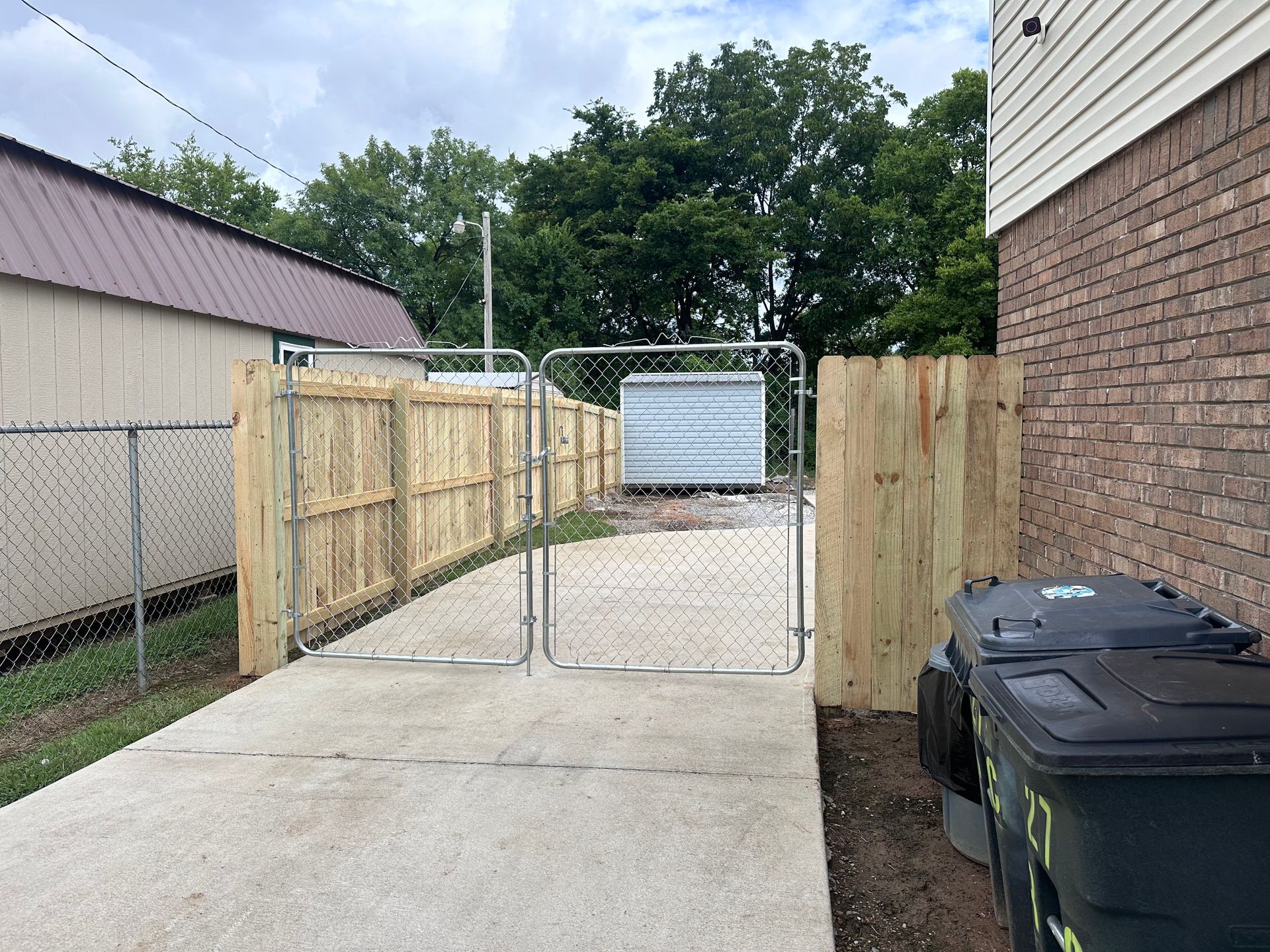
Fencing installation establishes defined property lines, contains play areas and pets, and creates visual separation between neighboring yards in Hoover's residential neighborhoods. The work involves setting posts at specified intervals, attaching horizontal rails that provide structural support, and securing vertical pickets or panels that form the fence face. Master Home Xterior builds fences that match the property's existing exterior features, whether you need traditional wood picket styles, low-profile options that preserve sight lines, or taller designs that screen views and reduce noise transmission from adjacent properties.
The installation process requires accurate post placement along the planned fence line, with depth and anchoring methods adjusted for soil conditions that affect stability. Posts set in clay-heavy soil common in Hoover need concrete footings that extend below the frost line to prevent shifting during wet periods when the ground expands, while sandy or loose soil requires wider footings to distribute load and resist leaning as the fence ages.
Request a free estimate to review your property layout and determine fence design options that meet functional and aesthetic goals.
What Fencing Installation Actually Accomplishes
Fence construction begins with marking the property boundary using survey markers or plat documentation to ensure placement remains within your lot lines, then digging post holes at intervals determined by the fence style and anticipated wind load. Posts are plumbed vertically and braced while concrete sets, because even slight angles multiply along the fence run and result in gates that bind or panels that don't align at the ends.
Once the fence is complete, you gain a clear visual and physical boundary that prevents unintentional property line disputes, keeps children and pets within designated areas without constant supervision, and blocks direct views into outdoor living spaces from neighboring yards or street traffic. The structure also reduces wind speed in protected areas behind the fence line, creating more comfortable patio and deck spaces during breezy conditions, and provides a backdrop for landscaping that would otherwise appear scattered across an open yard.
Material selection affects both appearance and maintenance requirements, with options ranging from wood that accepts stain and paint to composite materials that resist rot and insect damage without regular sealing. Gates are positioned based on access needs, with hardware that allows smooth operation and latching mechanisms that function reliably rather than requiring adjustment every few months as the fence settles.
Questions Before Starting Your Project
Homeowners considering fence installation often ask about design choices and how the structure integrates with their property's existing features.
What fence height works for different purposes?
Shorter fences around three to four feet define boundaries and contain small pets without blocking views, while taller options at six feet provide privacy screening and secure containment for larger dogs, with local regulations in Hoover sometimes restricting height in front yards compared to rear and side yard installations.
How does soil type affect fence stability?
Clay soils that expand when wet require concrete footings that anchor posts below the active soil zone where movement occurs, while well-draining soils allow tamped gravel bases in some applications, and the wrong footing choice leads to posts that shift and gates that no longer close properly within a few seasons.
What determines the spacing between fence posts?
Post spacing depends on fence style and height, with solid panel fences requiring closer intervals to resist wind pressure compared to open picket designs, and spans that exceed recommended distances result in sagging rails and pickets that warp or pull loose from their fasteners.
When is the ground too wet for fence installation?
Installation should avoid periods when soil is saturated and unstable, because post holes collapse or fill with water before concrete can be placed, and equipment creates ruts that damage lawns and complicate site restoration after the fence is complete.
How do fences handle slopes and uneven terrain?
Fences on sloped ground either step down in level sections that maintain vertical picket alignment or follow the grade with rails angled to match the slope, and the choice depends on the degree of incline and aesthetic preferences for the finished appearance.
Master Home Xterior customizes fencing projects to match property boundaries, outdoor use patterns, and architectural styles in Hoover, building structures that remain stable and functional through seasonal weather changes. Schedule a consultation to walk your property and discuss fence options that address your specific boundary and containment needs.